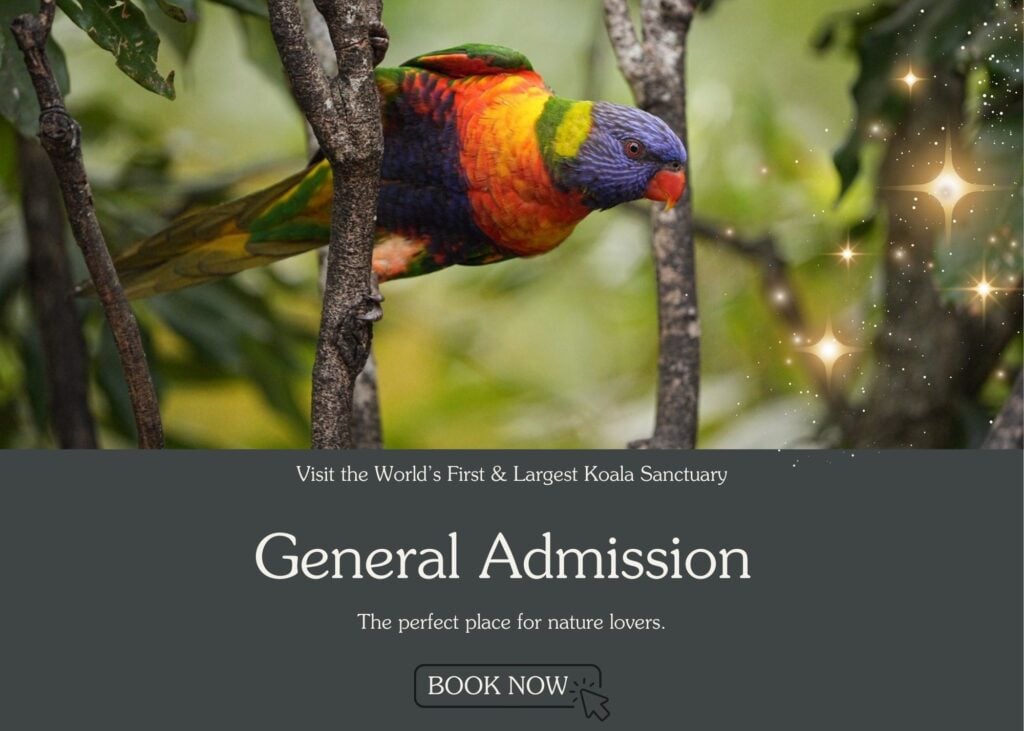
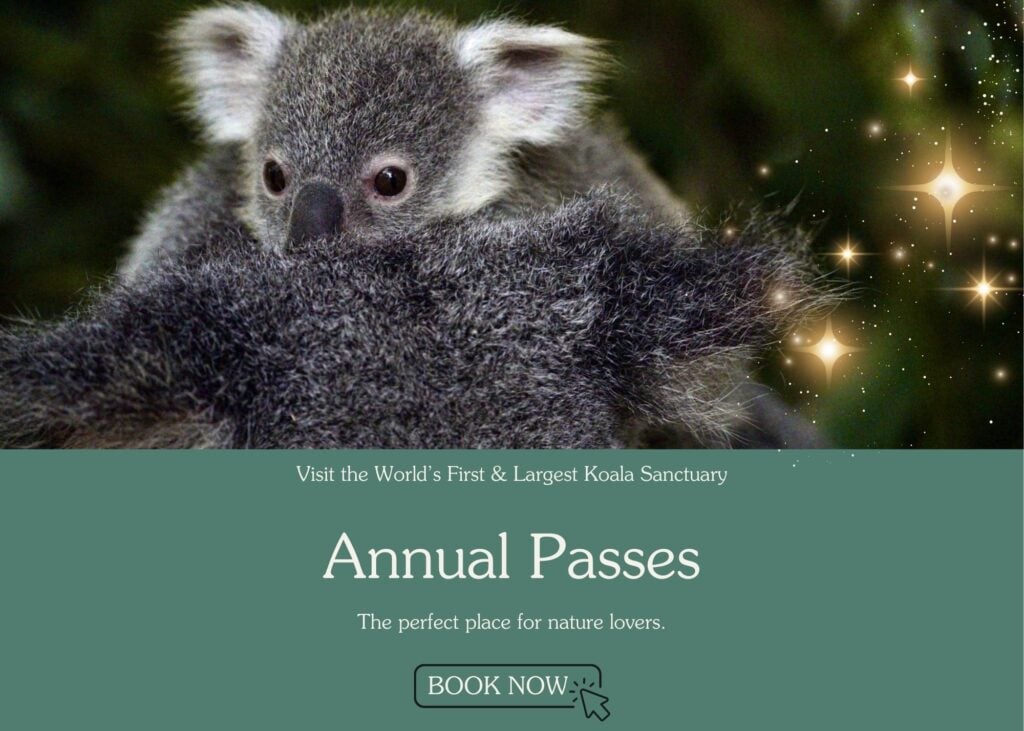
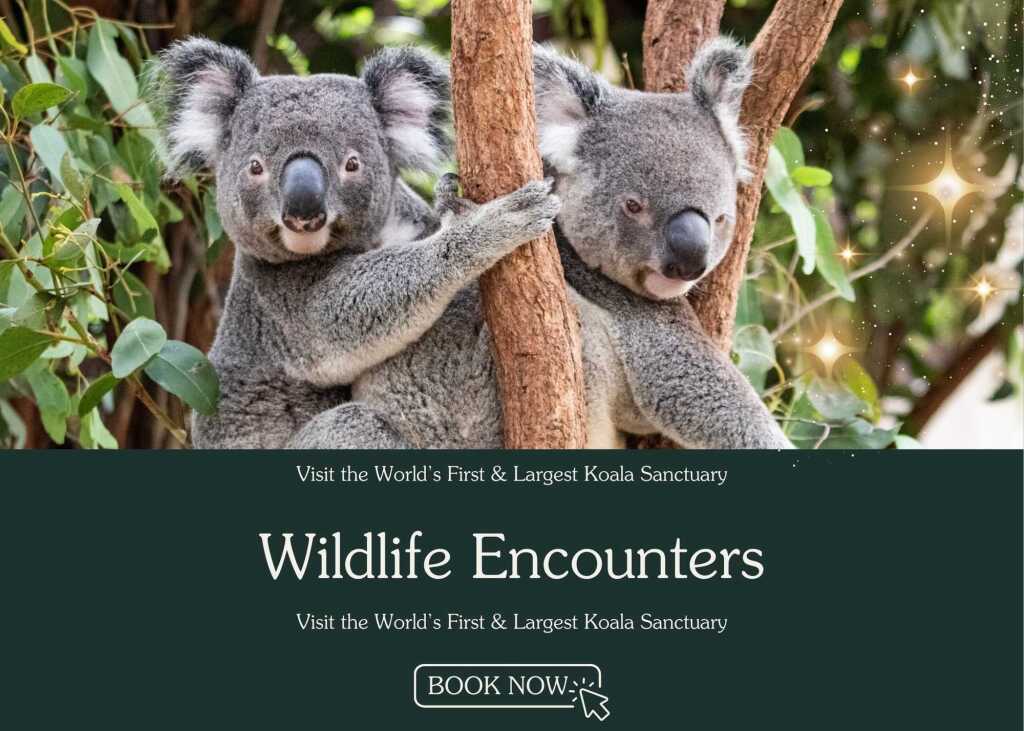
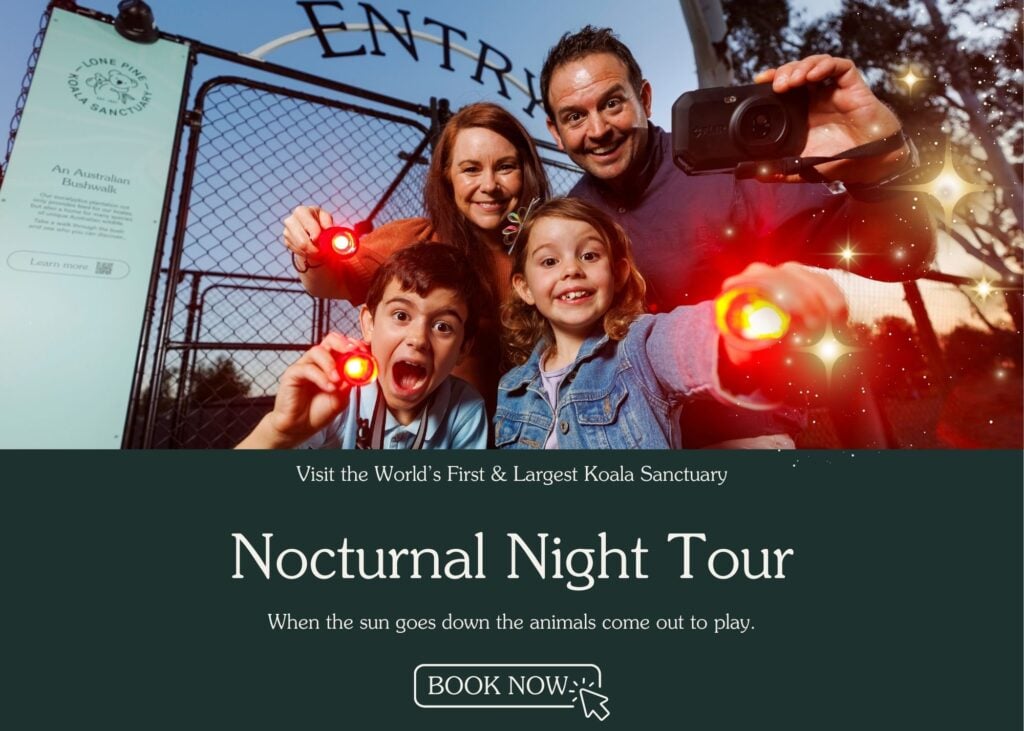
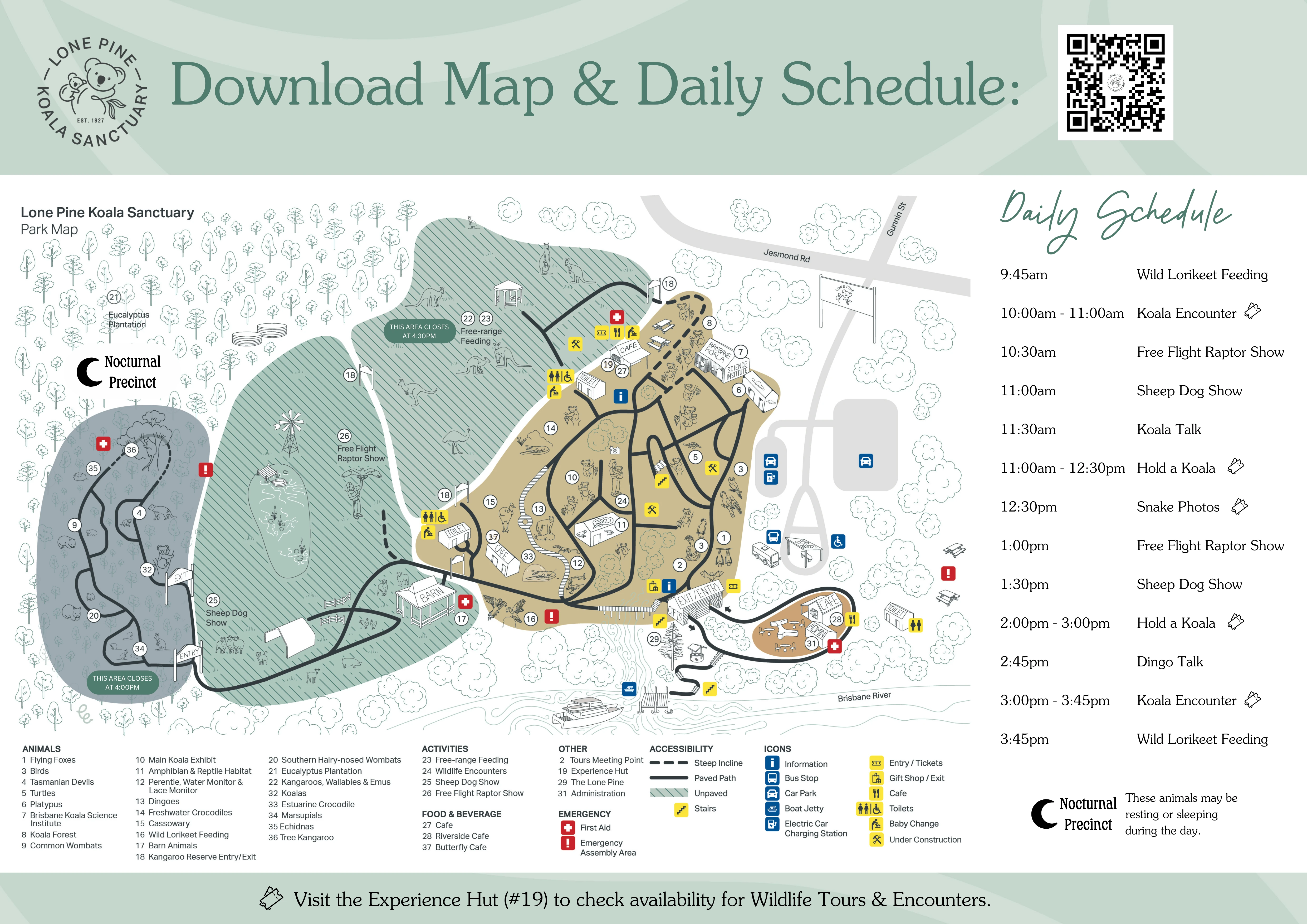
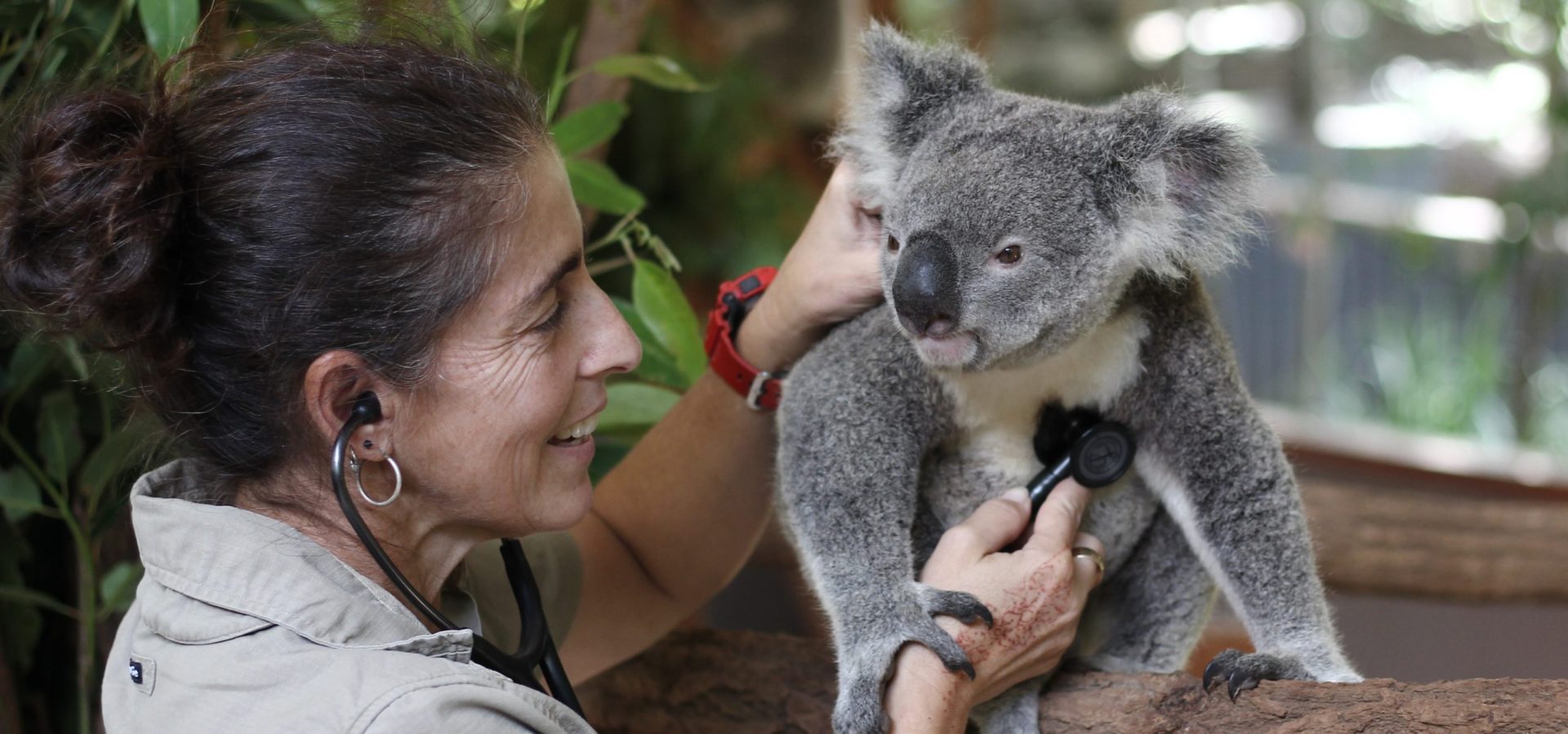
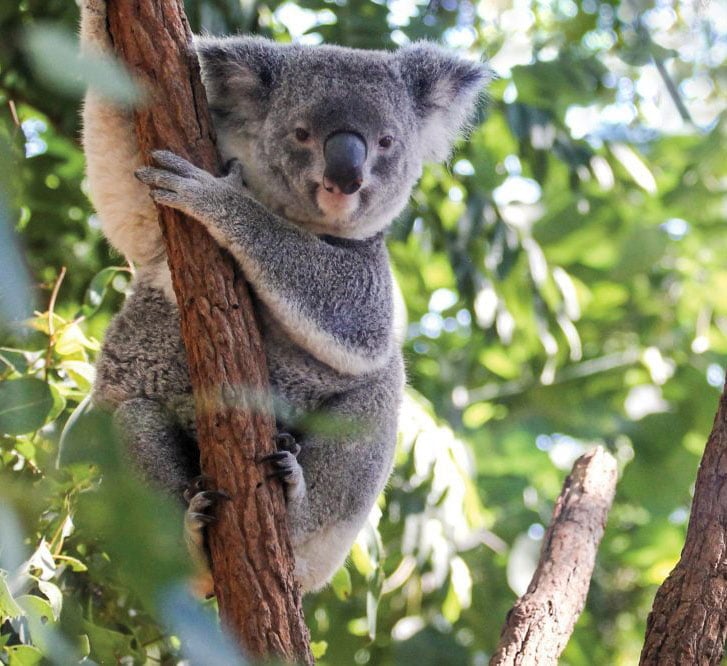
The world’s first and largest koala sanctuary. Hold a koala, hand-feed kangaroos and meet a variety of Australian wildlife in beautiful, natural settings.
Previous slide
Next slide
This checkout is for gift shop purchases only.
Please click Tickets to purchase passes and experiences.
The world’s first and largest koala sanctuary. Hold a koala, hand-feed kangaroos and meet a variety of Australian wildlife in beautiful, natural settings.